How do I apply for an electrical apprenticeship?
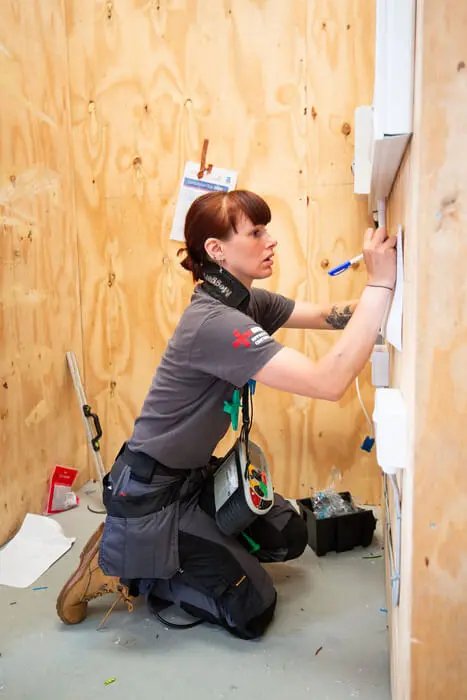
Looking to get into the industry but unsure where to start? This blog offers some advice to aspiring electricians searching for an apprenticeship.
Applying for an electrical apprenticeship really comes down to finding the employer that’s right for you. It can seem like a daunting administrative task, but the fact is the apprenticeship system has existed in the UK for hundreds of years, and there are many modern tools you can use to help streamline this process.
What qualifications do I need for an electrical apprenticeship?
In order to take a Level 3 electrical apprenticeship, you must be 16 or older. If you are aged between 16 and 18, you must have at least a grade 4 GCSE in English and Mathematics or an equivalent Level 2 Functional Skills qualification. If you don’t have these qualifications, you must work towards them during your apprenticeship. If you are 19 or older, you’re no longer legally required to have an English or Maths qualification, but you can still choose to work towards these during your apprenticeship.
These are the minimum legal requirements for an electrical apprenticeship, but some employers or training providers may have higher entry requirements, so be sure to check out the individual entry requirements of your chosen employer or college.
Additionally, once you’ve found an employer, you’ll need to ensure that they can employ you for a minimum of 30 hours per week and provide you with supervision from a qualified electrician.
Do I need to find a training provider or employer first?
A typical apprenticeship will consist of four days a week on site with your employer and one day per week studying at a training organisation (i.e., an independent training provider or local college).
You need to find both for electrical apprenticeships, but an employer will typically already be associated with a training organisation that provides the training element of your apprenticeship, so it’s more typical to find an employer first. That being said, finding a training provider first can also be a viable way of finding an employer, as training providers often have established relationships with local employers.
What kind of tools are there to help you find electrical apprenticeships?
The GOV.UK website hosts a useful tool that allows you to browse local apprenticeship opportunities and then filter them by the industries you’re interested in. In addition, there is the government’s bespoke apprenticeship website, which provides a similar tool as well as additional information on apprenticeships.
NICEIC has also developed its own tool for locating electrical apprenticeships to make the process as simple as possible. Through Connected Futures, you’ll not only be able to find jobs and apprenticeship providers near you, but also receive email alerts whenever an apprenticeship you’re likely to be interested in is posted.
Paul Collins, Technical Director at NICEIC, said: “Starting an apprenticeship shouldn’t feel like a complicated process at all. But many prospective apprentices still find the initial matchmaking between them and an employer to be intimidating. This has always been particularly true for candidates not currently in active employment, and for them, we hope that Connected Futures will be of great help.”
The Electrotechnical Skills Partnership (TESP) has also collected together a bunch of resources and information specific to careers in the electrical trade, making it a very helpful place to seek independent advice, particularly for those starting out as electrical apprentices.
Top tips for finding an electrical apprenticeship
- Keep an eye out on regular job boards: lots of employers will advertise apprenticeships on normal job listing sites like Indeed, not just on websites that are apprenticeship-specific.
- Email employers directly: even if a business isn’t directly advertising an apprenticeship, it can still be worth reaching out. Do some research to find reputable employers near you and send them an honest email enquiring about their availability. They might not have any opportunities available now, but if they look at taking on an apprentice in the future, your name is likely to be at the top of their list.
- Visit apprenticeship job fairs: a large number of apprenticeship job fairs take place across the country each year, so make sure to find out what the nearest one to you is and when it might take place. Otherwise, National Apprenticeship Week happens every year during February and offers a whole host of opportunities to connect with employers.
For more tips on successfully applying for an electrical apprenticeship, read our informative blog, 5 top tips for securing an electrical apprenticeship.